Cleaning Surface Mold vs. Fixing the Moisture Source: What Actually Works for Hidden Bathroom Mold
The Two Approaches to Bathroom Mold
When you spot mold in a bathroom, the natural reaction is to grab a cleaner and scrub it away. That makes sense. Visible mold looks unpleasant and raises health concerns. But scrubbing the surface only addresses what you can see. The real problem often runs deeper. Behind walls, under tiles, or inside ventilation ducts, moisture may be feeding a hidden colony. This article compares the two main strategies for dealing with bathroom mold: cleaning the visible growth versus fixing the moisture source that allows it to thrive. Understanding when each approach works, and when you need both, can save you time, effort, and repeated headaches.
What Surface Cleaning Can and Cannot Do
Surface cleaning means removing mold from visible areas using a cleaner, a brush, or a cloth. Common household solutions include diluted bleach, hydrogen peroxide, vinegar, or commercial mold removers. These products kill mold spores on contact and remove stains from grout, caulk, paint, or tile. Surface cleaning is quick and inexpensive. For small, isolated patches of mold that have not spread deep into porous materials, it can be effective.
But surface cleaning has limits. Mold has tiny roots called hyphae that can penetrate porous surfaces like drywall, wood, or unsealed grout. Scrubbing the surface may remove the visible colony but leave the roots intact. If the moisture condition remains, the mold will regrow within days or weeks. This is why a spot of mold on bathroom caulk often returns no matter how often you bleach it. The caulk has become porous and the roots are hiding inside.
Surface cleaning also fails when the mold is hidden. You cannot scrub what you cannot see. Mold growing inside a wall cavity, under a shower pan, or behind a vanity mirror will continue to spread even if the visible bathroom looks clean. Relying solely on surface cleaning gives a false sense of security. The mold may reappear in a different spot as the hidden colony expands.
Fixing the Moisture Source: The Long-Term Fix
The other approach is to identify and correct the moisture problem that allows mold to grow. Mold needs three things to survive: moisture, a food source (like wood, paper, or soap scum), and temperatures between roughly 40°C and 100°C. Bathrooms provide all three. The moisture source can be a leaky pipe, a failing shower pan, poor ventilation, condensation from cold surfaces, or a dripping faucet. Fixing the source means stopping the water at its origin.
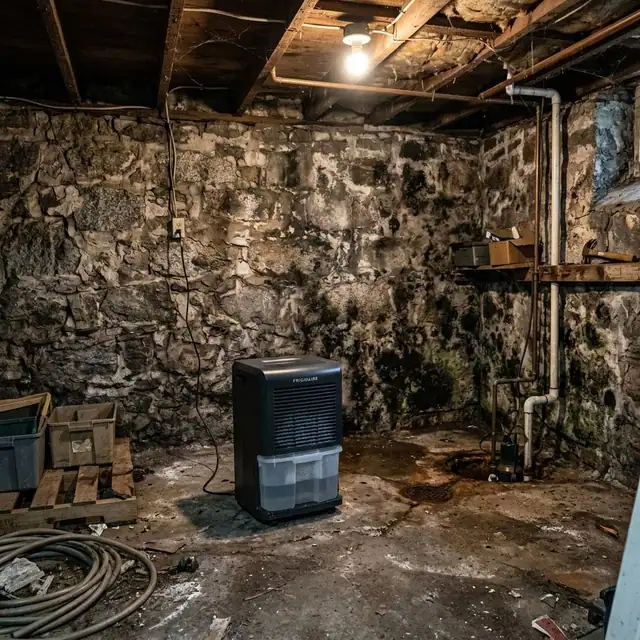
Common moisture fixes include repairing plumbing leaks, improving exhaust fan performance, adding a dehumidifier, sealing cracks in tile or grout, and redirecting condensation from cold water pipes. These actions address the root cause rather than the symptom. When you dry out the environment, mold cannot grow. Even if some spores remain, they will not multiply without moisture.
Fixing the moisture source is more involved than surface cleaning. It may require opening walls, replacing damaged materials, or upgrading ventilation. It can be disruptive and costly. But it offers a permanent solution. Once the moisture is controlled, the mold problem stops recurring. In many cases, fixing the source also prevents other issues like wood rot, structural damage, and poor indoor air quality.
When Surface Cleaning Makes Sense
Surface cleaning is appropriate when the mold is limited to a nonporous surface and the moisture problem is already resolved. For example, if you fixed a leaky pipe last week and now see a small patch of mold on the tile, a good cleaning will probably keep it away. The same goes for mold on a shower curtain or a glass door. These surfaces do not hold moisture or provide food for mold. A quick clean with a mold killer is sufficient.
Surface cleaning also makes sense as a temporary measure while you plan a more permanent fix. If you know a bathroom fan is underpowered but cannot replace it until next month, cleaning visible mold weekly can keep it from spreading. Just be aware that the mold will return until the ventilation improves.
One more scenario: when the mold is on a nonporous, non-organic surface like metal or plastic, and the area is well ventilated. In that case, the mold is likely feeding on soap scum or dust, not the material itself. Cleaning the surface removes the food source.
When You Must Fix the Moisture Source
If mold keeps returning to the same spot after cleaning, the moisture source is still active. No amount of scrubbing will stop it. You need to find where the water is coming from and stop it. The same is true if you notice mold behind wallpaper, under the sink, or inside the ceiling. Hidden mold is almost always a sign of an ongoing moisture problem that surface cleaning cannot reach.
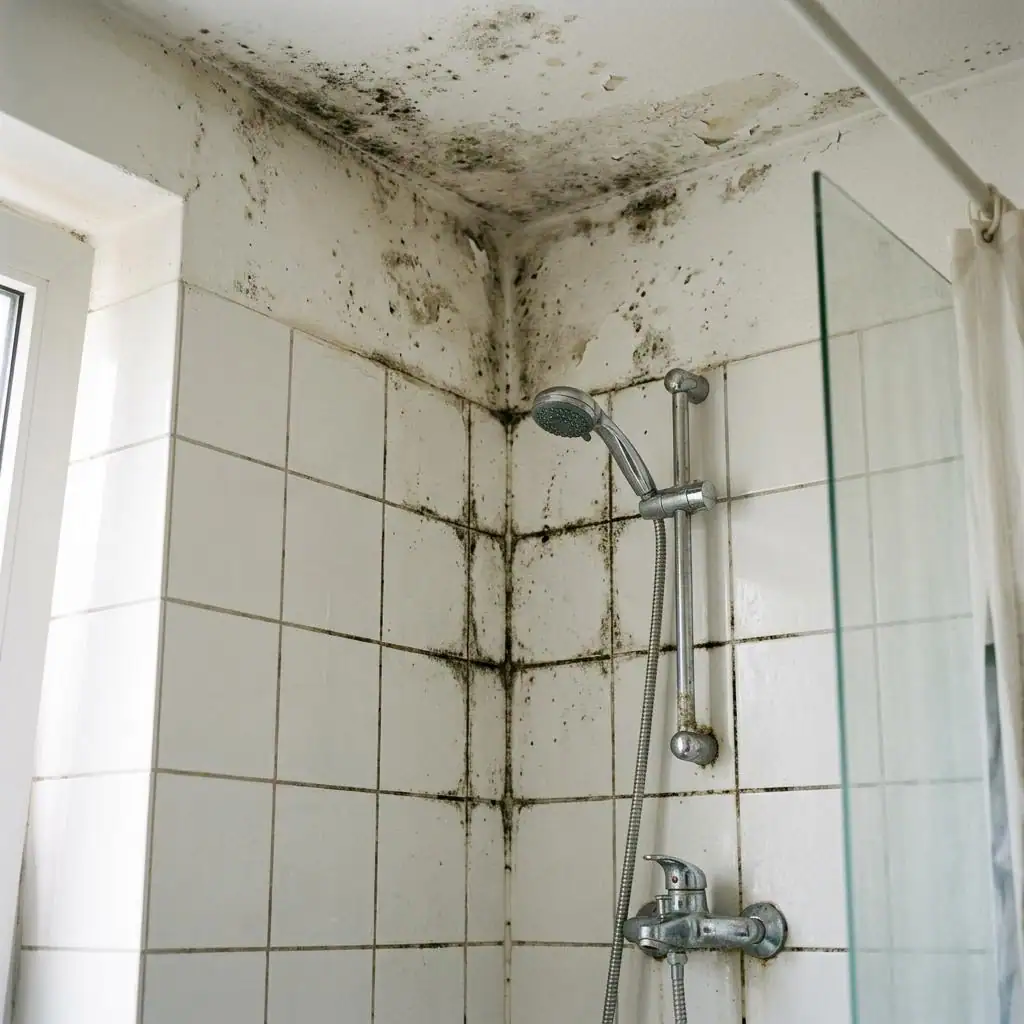
Another clear indicator is a musty smell that lingers even after a thorough cleaning. That odor comes from mold growing inside the wall or floor cavity. You may also see peeling paint, bubbling wallpaper, or soft drywall near the mold. These are signs that water has been soaking the material for a while. In such cases, fixing the moisture source is not optional. Delaying it can lead to more extensive damage and higher repair costs.
The Smart Approach: Combine Both Methods
For most bathrooms with recurring mold, the best strategy is to do both. First, identify and fix the moisture source. That might mean calling a plumber to repair a hidden pipe leak, installing a stronger exhaust fan, or resealing the shower. Once the moisture is under control, clean the visible mold thoroughly. This two-step approach prevents regrowth and addresses any hidden colonies that may have formed.
If you are unsure whether the mold is only on the surface or goes deeper, try a simple test. Clean a small area with a mold killer and wait a week. If the mold comes back, the problem is likely in the material or behind it. If the spot stays clean, the surface cleaning may have been enough. But remember that hidden mold does not always show itself quickly. A musty smell or a patch of mold on the opposite side of a wall can be a clue that moisture is traveling through the structure.
For serious cases, especially when mold has penetrated drywall or wood, you may need to remove and replace the affected materials. This is not something surface cleaning can handle. It requires cutting out the damaged section, treating the cavity, and installing new material. In such situations, professional help is often the best route. Mold Removal Boston Pros is a service that specializes in bathroom mold remediation, from visible growth to hidden moisture and ventilation issues. Their team can assess the full extent of the problem and recommend whether surface cleaning, moisture repair, or material replacement is needed. Mold Removal Boston Pros offers a comprehensive approach that goes beyond what a homeowner can do with a spray bottle.
Practical Steps for the Homeowner
If you decide to handle surface cleaning yourself, follow these steps. Wear gloves, goggles, and a mask to avoid inhaling spores. Use a cleaner labeled for mold; do not mix bleach with ammonia or other cleaners. Scrub gently to avoid damaging the surface. Rinse and dry the area. After cleaning, monitor the spot for a few weeks. If mold reappears, you need to address the moisture source.
To investigate the moisture source, start by checking visible plumbing. Look under sinks, around toilet bases, and behind the shower for drips or dampness. Check the exhaust fan: does it actually pull air out, or just circulate it? A simple test is to hold a tissue near the fan grille while it runs. If the tissue does not stick, the fan is weak. You may need to clean the fan blades or replace the unit. Also check for condensation on cold pipes or windows. Insulating pipes and using a squeegee on shower walls can reduce moisture.
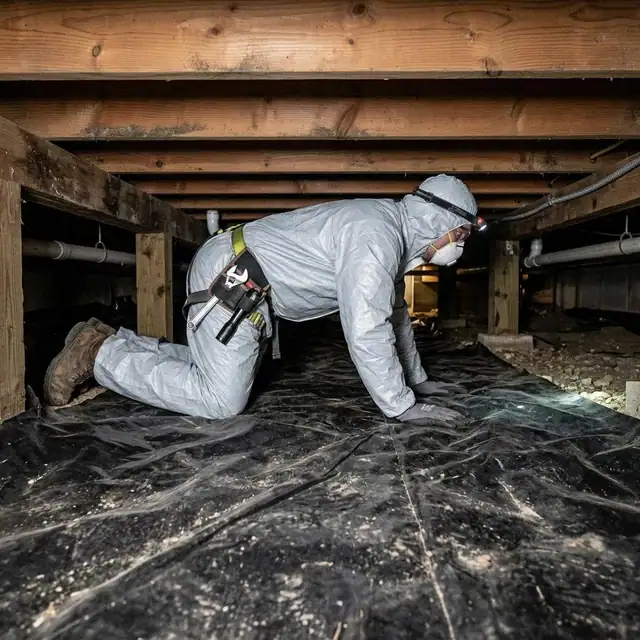
If you find a hidden leak behind a wall, you may need to cut an access panel. This is often the only way to see what is happening inside. Do not ignore the problem just because it is out of sight. Hidden bathroom mold can spread to other rooms or become a serious health issue.
When to Call a Professional
Some mold problems are too big or too hidden for a homeowner to handle alone. If you suspect mold inside walls, under flooring, or in the ceiling, a professional can use tools like moisture meters and borescopes to locate the source without tearing out everything. Professionals also have the equipment to contain spores during removal, preventing them from spreading through the house. A service like Mold Removal Boston Pros can handle the full cycle: assessment, moisture source repair, material replacement, and final cleaning. Their expertise ensures that the job is done safely and thoroughly, with a focus on long-term prevention rather than quick fixes.
In the end, the choice between cleaning surface mold and fixing the moisture source depends on the situation. For small, isolated spots on nonporous surfaces, a good cleaning may be enough. For recurring mold, hidden growth, or musty odors, fixing the moisture source is essential. The most effective approach for most bathrooms is a combination of both. By understanding the difference and acting accordingly, you can keep your bathroom mold-free without wasting time on temporary fixes.